Konstantinos Vasiliadis
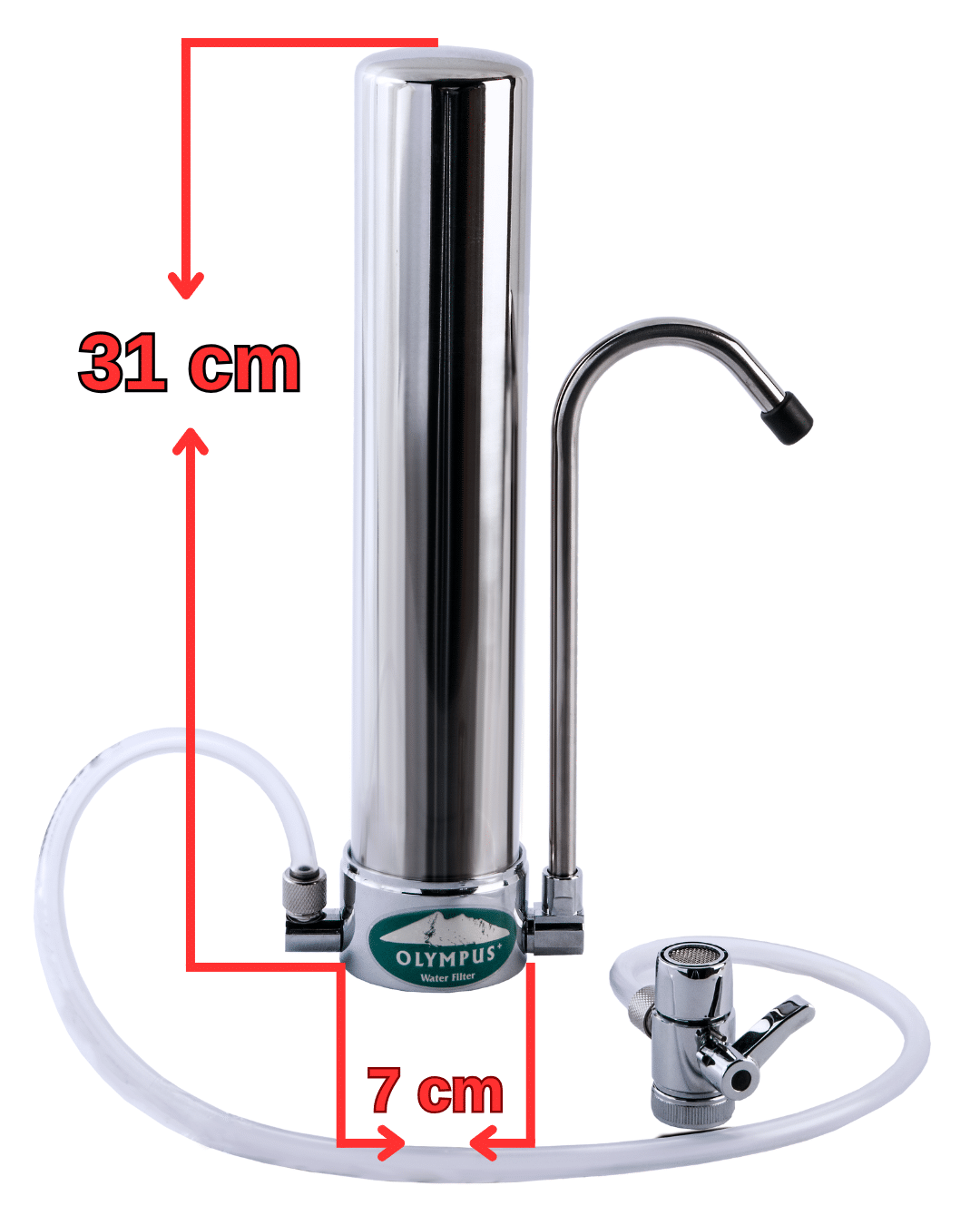
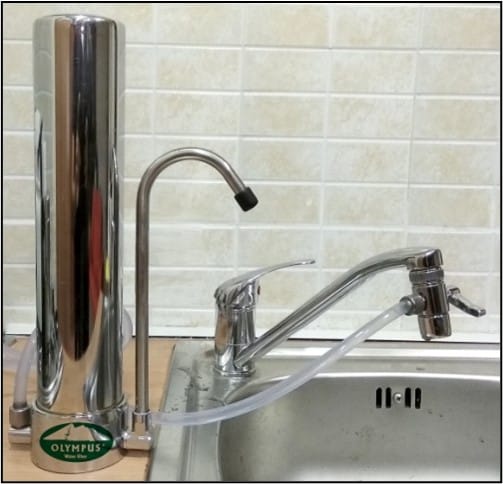
I have had the above-the-counter water filter (stainless steel) for a few months now. So far I am very happy, as the water is clean and does not have the strange taste that it had before using the filter. The installation was very easy, and the design is simple and beautiful. From a financial point of view, I am also happy, as it is much more economical to buy a new replacement filter once a year than bottled water every week. Also, it is very important that you avoid the possibility of ingesting microplastics if you choose a filter over bottled water.
google · 2026-01-02
GeoNinja
The above-counter filter I received is 100% worth it, it has top quality, and its price is really very fair. I am very glad that it is produced in Greece, it shows how many things we could have and export, and not just import and produce nothing. Congratulations to the company, because this filter can really enter every home for only €45 per year - it is now an excuse not to have a water filter or to get much more expensive ones, and with a rental device, not to mention the competing company for understandable reasons. Addendum: Replacement after a year and 2 months, you can see how dark the old one has become, and the pressure had dropped by half due to the dirt it had retained. As soon as I replaced it, the water pressure from the filter was restored.
google · 2025-08-08
X Kouts
The water in the area where I live is tart, with scale and chlorine. I decided to order a filter for my over-the-counter tap. I'm now in my third year of using it, and I'm completely satisfied because it has changed the taste and quality of the water. Ordering the filter is very easy, and the plus is that every year the company sends you a reminder message that the filter needs to be changed, so you don't forget.
google · 2025-06-05
Christos Petrakis
I have been using the over the counter filter for the second year... I ordered a replacement part and it arrived in 1 day. I live in Northern Greece. I felt the difference in the water as soon as I took a sip from the tap. Congratulations on the health you offer us.
google · 2026-01-12
stratos valios
I got an under-counter filter, easy connection, and quality water. Now bottled water tastes bitter to me.
google · 2025-03-09
Stamatia Fallia Makridou
I bought your device for 77 euros with the filter above the counter somewhere in mid-March and in such a short time I can tell you that I was very satisfied from the first day! What is this water????? Divine, crystal clear, with a pleasant taste!!!! You are number one, bravo to you!!!! I would recommend it to everyone!!!!
google · 2025-03-21
Elina TeAr
The company was recommended to me by a close friend who has been using the filter for years. I contacted them for details, the communication was good. I ordered through the website, shipping and receiving were very fast. Installation was very easy (I got an above-counter water filter). I recommend without hesitation.
google · 2025-06-22
Marianna Giovani
In my opinion, it is a decent filter and worth the money. It is clearly visible that it collects silt and dirt. I believe that it also purifies chlorine. The water does not smell. However, it does not retain scale. And of course, it is valid for drinking water, not for unfit water.
google · 2026-01-11
fotis sirsiris
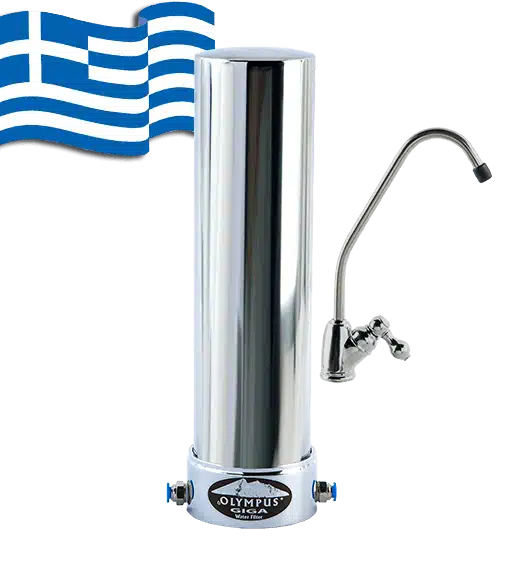
I am very happy with the giga filter above the counter, fast service. One problem I had with the spare part, they solved it immediately and the next day they sent me a new one. It's probably not their fault, something happened during transport. However, everything is very good, this is how relationships between a client and a company are built. Through good communication. And this company has it, that's the truth.
google · 2025-10-17
Snowman
I can say that I am delighted, because I really - from the organization, from the quality, from the speed of delivery, but most importantly of all - I saw a big difference in the quality of the water I drink every day, so I say - yes, it is not a coincidence the path that the company is taking with the product it guarantees. I hope there were other such companies in Greece that would emulate their professionalism.
google · 2026-06-19
Amalia Paterou
Easy installation and clear water!
google · 2026-06-18
Angelos Varkas
I drink and use clean water, free of chlorine and other impurities. I don't have to buy bottled water. The shipping of spare parts is very fast and cheap.
google · 2026-06-16
Ilias Kefilis
Well, yes, I think it's exactly as they say in the ad - the water is clean, odorless, and we got rid of lugging stacks of water from the supermarket...
google · 2026-06-15
AKATALYS Music Band
Excellent water. For the first time in 26 years I have drunk tap water with such a light and high-quality taste. I was pleasantly surprised! It's like drinking water from a mountain spring. I hope you will be satisfied in the future. Nektarios from Sparta, Laconia.
google · 2026-06-13
Constantine
I have had this filter at home for over 10 years, I am very satisfied.
google · 2026-06-09
Keraso Argyriou
We got an under-counter filter with an above-counter faucet so the filter wouldn't take up space. Easy installation. Very good water quality. I recommend it!
google · 2026-06-09
Vasileios Gkouskos
The best filter, very easy to install for the above counter one I got, fast delivery, with a written warranty, and above all I know what kind of water I am giving my family - water of exceptional quality. I would recommend it without hesitation.
google · 2026-06-04
ΓΕΩΡΓΙΟΣ ΓΙΝΝΙΡΗΣ
Very easy installation. The water really is different.
google · 2026-06-01
Aggeliki Koptsi
We are very happy with the water filter we bought. The taste is really good, you can feel the difference without spoiling the pleasure of tap water. Most importantly - 100% chlorine free.
google · 2026-06-03
Θεόδωρος Αλέξανδρος Παχylάκης
Great water filter, much better than some others. The service from Mr. Yotis was fantastic and explained everything to me thoroughly. Thank you for everything!
google · 2026-05-27
Konstantinos Kourpanoglou
Perfect filter, perfect structure, perfect smell and taste! The difference is noticeable with just one tap switch. I should have gotten it much earlier, but now I know!
google · 2026-05-27
Giannis Lagoudakis
Simple and economical, it is a reliable solution for improving water quality at home.
google · 2026-05-16
ΑΙΚΑΤΕΡΙΝΗ ΒΛΑΧΟΓΙΑΝΝΗ
Very easy to install. Clean water, no odors. I am very happy with my purchase.
google · 2026-05-13
Kyriakos Koutsoukis
I bought 2 Olympus filters (one 0.3 micron and one 0.5 micron). These filters are simply great. They are so easy to install that even my mother can do it, and any housewife in general. Before that, I had one from another company (Imp... of C...m..l...t), but there is a huge difference. With that one, their dealer came every year to change it, it cost 50% more, and the water had a certain taste. That taste disappeared with Olympus and the water we drink now is truly Olympic. Bravo to you.
google · 2026-05-13
CavaLiero
I got the filter above the counter. Delicious water and very easy to install.
google · 2026-05-10
John T.
A really good water filter that competes with much more complex and expensive ones. The water comes out very clean and tasty. After two weeks of use, I noticed that the kettle collects very little to almost no scale compared to before, when I used bottled water.
google · 2026-05-09
Panos Karamanlis
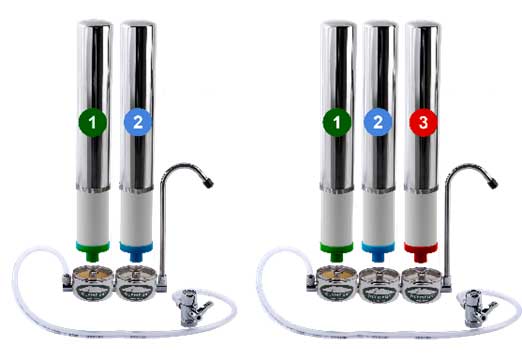
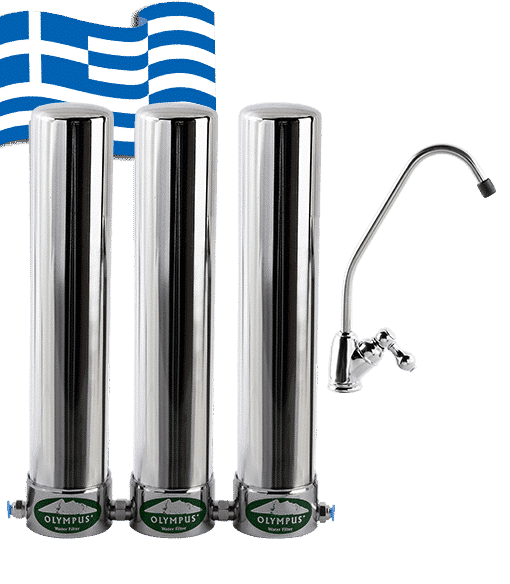
After 3 years (and counting) with the Olympus filter, I am very satisfied. I recently even changed to a double filter above the counter, because the water in our area has a lot of scale, and I can only say the best things, we immediately felt the difference in the water as a family. Bravo to the company. Very good work, and a Greek company at that.
google · 2026-03-06
Andreas Kikinas
Excellent experience with the countertop water filter we purchased. We had already used filters from other companies and countries, but this Greek company won us over with its quality and competitive prices.
google · 2026-05-06
Σταυρακουδης Στράτος «Φιλολογικό Φροντιστήριο» Καρδιτσα
Very good, both the device and the filter, at a reasonable price...
google · 2026-05-02
Cris Fotiadhs
Perfect product, I installed it on all my friends.
google · 2026-04-27
Eleni Ranoutsou
Very good purchase! Worth the money! Easy installation!!!
google · 2026-05-27
Giannis Demirtzis
Connecting the unit above the counter was easy, as you install the filter by twisting it with a little force, but tighten the stainless steel filter cap well until there is no leakage. Connecting to the tap was just as easy according to the instructions. In the area of central Athens where the unit was installed, you immediately feel the removal of chlorine, and with the first cleaning I will see what the filter has retained. So far I recommend it in terms of price, quality of materials and installation.
google · 2026-04-24
Kostas Fount
I am very satisfied. Quality materials and sturdy workmanship.
google · 2026-04-21
Sy “SyLa” L. 7
Fast service, precision made, easy installation, and the taste of the water with the filters is impressive!
google · 2026-04-21
Litsa Bouka
Everything is perfect. There is a difference!
google · 2026-05-19
Nikos Cretan
As the owner of 2 OLYMPUS filters in two different places in Greece, I will say that the water is of excellent quality and taste! Thank you for the impeccable and humane service!
google · 2026-04-17
Athanasios Christopoulos
Very functional, very good water quality, easy to install and maintain.
google · 2026-04-13
Nick Stam
The best filter on the market, with antimicrobial copper and at a very reasonable and good price. I have been using it for years and am very satisfied.
google · 2026-04-13
dp p
I am very satisfied, easy to install, affordable price. The spare part is the cheapest on the market, easy to install. It is also very elegant! Since I installed it, I started drinking more water than before! Good purchase, I recommend without hesitation.
google · 2026-05-11
Αλέξανδρος ΠΕΡΡΑΚΗΗS
Exceptional... it completely delivers on what it promises.
google · 2026-04-10
Xaralampos Iasonidis
Completely clean water and odorless, before it smelled of chlorine and was full of silt.
google · 2026-04-07
ΔΗΜΗΤΡΑ ΕΥΣΤΑΘΙΟΥ
Really big difference in water... now we are calm, we got rid of unhealthy plastic bottles and with little expense, very easy installation, we drink delicious, clean water... I fully recommend it!!!
google · 2026-04-09
λευτερης παλουμπης
Very good choice, I stopped buying bottled water, I drink water from my tap and I am satisfied.
google · 2026-04-04
king chef
I am glad that I use an Olympus water filter. It is good, healthy and very safe.
google · 2026-05-02
Vasiliki Apostolopoulou
Divine water!!!!
google · 2026-03-28
Sa Kiss
Easy installation according to the instructions provided. The internal filter does not require excessive tightening. The external cover requires a good tightening to prevent water leakage.
google · 2026-03-27
Valia Grammatikopoulou
Very good product. We have been using it for years at home. Economical and completely effective in filtering water.
google · 2026-03-26
Ευαγγελία Ζαφειροπούλου
The filter is economical and most importantly - I feel a difference in the water. Without the filter, the taste of the water is unpleasant for me.
google · 2026-03-26
dionysia dionysia
Olympus filters are among the best filters that exist. The water that comes out is crystal clear and completely clean, neither cloudy nor smelly... I have trusted them for years, I would not change them for anything... I recommend them to anyone who wants to drink quality and clean water...
google · 2026-03-26
Konstantinos Velvelidis
Perfect filter, very convenient installation on the faucet and impeccable service.
google · 2026-03-23
Yiannis
Since I installed the Olympus filter at home, I have been enjoying clean and healthy water. Pioneers in your field.
google · 2026-03-19
geo pap
I have only positive comments about the product! Anyone who wants a water filter should get it from yesterday!
google · 2026-03-17
panos panou
A TRULY COMPLETELY DIFFERENT QUALITY OF WATER.
google · 2026-03-15
Melina Cedar
Extremely effective filter, water without odors and unpleasant taste!
google · 2026-03-15
Geo “ΣΠΙΛΕΟΥ” Car
Той достойно замени 25-годишния DALTON, който ми даваше TDS 305 при 0,3 микрона, в сравнение с 290 / 0,5 микрона на новия ви филтър.
google · 2026-07-05
Αναστασία Αντωνοπούλου
Въпреки че го използвам от няколко дни, съм много доволен от качеството на материалите, работата на филтъра и вкуса на водата.<br />
<br />
Янис Антонопулос
google · 2026-07-03
zwgrafiax
Купих филтъра за вода за плот преди 1 седмица, след добри отзиви от приятели. Засега изглежда много добре, водата е много чиста, а вкусът е страхотен.<br />
Обслужването е безупречно. Имах въпрос и те отговориха на имейла ми много бързо. И пристигна бързо и в добра опаковка.
google · 2026-07-02
Antony stef MacLouk
Използваме го от почти две седмици и сме много доволни от голямата разлика във водата, която пием.
google · 2026-07-01
babis babinos
Използвам го само от седмица. Инсталацията е много лесна, а водата, която пием, е кристално чиста, без никакви миризми.
google · 2026-07-01
Nikolaou Giwrgos
Филтърът (плотът) изпълнява обещанията си, а обслужването на компанията е отлично по отношение на скоростта на доставка и цялостния ѝ имидж.
google · 2026-06-29
Athanasios Svolis
Първоначално купих три филтъра за себе си и двете си деца. С моя съм доволен, като забелязах ефективността му още от първия момент по вкуса!! Водата в нашия град (Агринио), въпреки че идва от Ахело, имаше груба текстура и беше без вкус поради дезинфектанта йодоформ (който забелязах с миризмата си и го проверих с моя УНГ лекар), който се налива през определени интервали за дезинфекция. Той също така задържа много калциеви утайки, които избелват чешмата и резервоарите за вода в хладилника.
google · 2026-04-09
Melina Cedar
Изключително ефикасен филтър, вода без миризми и неприятен вкус!
google · 2026-02-28
Γιάννης Καφουρος
Много добра, чиста вода без мирис, и неръждаема стомана с перфектно качество.
google · 2026-02-27
Νίκος Φραγκούλης
Мога да кажа само най-доброто. Както по отношение на продукта, така и на обслужването. Всичко е отлично!
google · 2026-02-21
Adam Sin
Чиста, достъпна и вкусна вода, много добра покупка, благодаря
google · 2026-02-17
kostas Halkida
Много добра вода на вкус и качество!!!!! Спестих си носенето на вода от супермаркета. Ако знаех това по-рано, щях да загубя много време. От красивата ХАЛКИДА КОСТАС.
google · 2026-02-15
Panagiotis st
Доста добре, имам 4 филтъра за кухнята, банята и цените са много добри, с нещо друго искаш по 200 евро за филтър. Благодаря на фирмата, че остава толкова добра и с добри цени, както е била толкова години наред.
google · 2026-02-11
Thomas Tsitsopoulos
ВИЕ НАИСТИНА ПИЕТЕ ОЛИМПИЙСКА ВОДА! НАЙ-ДОБРАТА ВЪВ ВОДЕН ФИЛТЪР.
google · 2026-02-11
leonidasgl
Имам го от около 4 години, нямам проблеми, доволен съм!
google · 2026-02-10
Αντώνης Ορφανός
Много добре 👍
google · 2026-02-07
ΑΝΝΑ ΚΙΤΟΥ
Досега съм много доволен от качеството на водата след инсталирането на филтрите. Инсталацията също е много лесна (просто е необходим правилният кран, за да се завинти фитингът). За Атина, където живея, това със сигурност е отличен избор.
google · 2026-02-06
Σταύρος Κωστούλας
Надежден продукт. С едно парче можем да стигнем за 6 месеца за 2 души. Чиста питейна вода! Спестявам си неудобството от транспортирането и високата цена за закупуване на бутилирана вода, плюс нулев разход на пластмасови бутилки!
google · 2026-02-01
Νεκτάριος Ζυγούρης
Отлично!!!! Лесен монтаж, качество на питейна вода!!!!
google · 2026-02-01
Geo.N.D
БЪРЗ ПОТОК, ЧИСТА ВОДА, ЛЕСНО СВЪРЗВАНЕ И ЗАЕМА МАЛКО МЯСТО НА БЛОКА
google · 2026-01-31
Γεώργιος Καλλος
Най-добрите филтри!!!!
google · 2026-01-29
Emel Ayal
Безупречно обслужване, пристигна у дома в рамките на два дни, въпреки че живеем на остров!! И най-накрая можем да пием вода от чешмата!
google · 2026-01-28
stelios zempos
Отлично, водата ми е качествена и чиста, продължавайте така.
google · 2026-01-27
Christos Limneos
Отличен продукт на достъпна цена.<br />
Използваме го от много години без никакви проблеми.
google · 2026-01-24
Peri Chatzi
Бях напълно доволен от филтъра Olympus! Модерен и разбираем сайт за поръчки. Безупречна опаковка, която показва компания, уважаваща клиента. Здрава конструкция, добър издръжлив материал, който наистина изпълнява обещанията си на много добра цена! Това е вторият път, когато го използвам и горещо го препоръчвам! Поздравления за компанията! Браво!!
google · 2026-01-23
stratos vaggelakis
„Най-добрият избор за чиста вода без пластмаса!“ <br />
Защо го избрах: <br />
<br />
Огромна разлика във вкуса: Още от първата глътка миризмата и вкусът на хлор изчезват напълно. Водата наистина наподобява изворна вода, лека е и приятна. <br />
Лесен монтаж: Не ми трябваше водопроводчик. Завинтва се директно в крана за 5 минути и има превключвател, за да изберете дали искате филтрирана вода за пиене/готвене или нефилтрирана за миене на чинии. <br />
Икономичност и продължителност: С живот от 8000 литра, пълнителят удобно стига за цяла година за четиричленно семейство. Спестих си труда да нося шестици от супермаркета и десетки пластмасови бутилки до кошчето. <br />
Гръцки патент: Успокоява ме фактът, че това е гръцки продукт с антимикробна защита, което означава, че бактериите не се развиват във филтъра, ако водата остане застояла (например на почивка). <br />
Практичност: Тъй като е за плот, керамичният патрон се почиства лесно отвън, ако се запуши с мръсотия или боклук от мрежата, което удължава живота на филтъра. <br />
<br />
Заключение:<br />
Това е справедлива инвестиция (около 77 евро), която се изплаща за по-малко от 6 месеца, само от бутилираната вода, която не купувате. Ако живеете в район като Митилини с добра водоснабдителна мрежа, но с интензивно хлориране, това е идеалното решение.<br />
Искате ли да ви помогна да намерите официалния пункт за продажба или резервните части, за да видите общите разходи за поддръжка?<br />
google · 2026-01-20
Dimitra Papadopoulou
Използвам водния филтър вече 4 години и съм много доволен. Лесен е за употреба.
google · 2026-01-19
αντωνης κυρμιζης
Това е нещо, което липсва във всеки дом, мисля, че може да се рекламира като добър подарък за младоженци. Аз също го купих за детето си. Купуването на бутилирана вода, според мен, не е решението. Намерете начин хората да го опитат.
google · 2026-01-17
ΔΑΚΗΣ ΠΑΠΑΔΟΠΟΥΛΟΣ
Филтърът е много хубав, работи перфектно както по отношение на дебита на водата, така и по отношение на качеството. Не съм съгласен с някои, които са писали, че е така... а аз съм от Камелот, за тези, които знаят. Сега трябва да видя дали ще запази качеството си, докато не бъде сменен.
google · 2026-01-15
gas pil
Предпочитах ги заради валидните сертификати и наистина бях напълно доволен!
google · 2026-01-14
ΓΙΩΡΓΟΣ ΚΟΚΚΙΝΟΣ
Най-добрата компания за филтри за вода в Гърция, както по качество, така и по цени.
google · 2026-01-14
stelios tilipakis
Вече 3 години със смяна на филтъра веднъж годишно, много добър избор, купих 2, стига да изберете правилния филтър за вашата вода.
google · 2026-01-13
Leyterhs Papapetros
много добър филтър и добро обслужване..
google · 2026-01-10
ΜICHAIL MARAGOS
Честност, учтивост, приятелски настроен човек с достъпност, гъвкавост, удобство и продуктова изобретателност.
google · 2026-01-09
Maria Nikolaou
Използвам филтъра от 2023 г., доволен съм от услугата и качеството.
google · 2026-01-05
Z**Σ Z********Σ
Много добър продукт, отлична компания с незабавна реакция и решение на всеки възникнал проблем.
google · 2026-01-03
ιωσηφ πριντεζης
Много добър филтър за вода ме спаси от носенето на кенчета и бутилирана вода... завинтваш го и пиеш чиста вода. Гарантирано... моето мнение винаги е такова след 3 години, в които го имам у дома. Честит Великден...
google · 2026-01-02
ΒΑΓΓΕΛΗΣ ΓΙΟΚΑΣ
Използвам го от няколко години, много съм доволен от предимствата, които филтърът предоставя, горещо го препоръчвам, инсталирал съм го и в трите къщи.
google · 2026-01-02
Maria Papaefstathiou
Много добре. Водата в чашата без филтър мирише след няколко часа. Но С филтъра е все още прясна на следващия ден. Препоръчвам го.
google · 2026-01-01
KONSTANTIN
Филтрите Olympus предлагат много добро качество на водата, предимството е, че са миещи се и на добра цена!! Сервизната информация е много добра, а опаковката на изпратените продукти е много внимателна. След няколко години употреба, филтрите са безупречни в работата си. Препоръчвам ги безрезервно!!!
google · 2025-12-30
STELLA KOLESIDOY
Много бързо обслужване и доставка на продуктите. Много съм доволен от продуктите на Olympus.
google · 2025-12-29
vasilis pantazis
Отлично.
google · 2025-12-27
doxakisd dox
Напълно доволен. Чиста вода, задоволителен дебит (с филтъра, препоръчан от компанията), лесен монтаж. При нормална употреба издържа почти 1 година и мисля, че цената му е разумна.
google · 2025-12-27
achten marc
Тези филтри са по-добри от филтрите с резба, която не почиства. Филтрите на Olympus обаче имат тази възможност!
google · 2025-12-23
Giwrghs Platanias
Отличен във всичко!
google · 2025-12-22
Dimitrios Georgantopoulos
Купих си воден филтър OLYMPUS. Това е втората година, в която го използвам, и съм доволен от резултатите.
google · 2025-12-21
Alex Aleh
Много добро качество на водата
google · 2025-12-16
ΑΘΑΝΑΣΙΟΣ ΜΠΑΚΑΣ
Много добър избор, кристално чиста, здравословна вода!
google · 2025-12-15
kiriakos litsioulis
Много надеждни филтри.. Използвам ги от години... веднага се вижда разликата във вкуса на водата, винаги към по-добро...
google · 2025-12-11
Michael Huber
Наистина съм напълно доволен от качеството на филтрите и техните аксесоари. Кристално чиста вода без мирис, без хлор или каквото и да било. Препоръчвам ги със затворени очи!!
google · 2025-12-09
lazaros kala
Много добри филтри, използвам ги от години без никакви проблеми.
google · 2025-12-08
ALEX DEL
Абсолютно доволен от филтъра.
google · 2025-12-08
George Lamprakis
Отлично
google · 2025-12-06
ΝΙΚΟΛΑΟΣ ΚΕΚΕΛΕΚΗΣ
НАДЕЖДНИ, ДОБРЕ ИЗРАБОТЕНИ, ГРЪЦКИ И УНИКАЛНИ. НЕКА ПОДКРЕПЯМЕ СОБСТВЕНИЯ СИ БИЗНЕС И НЕ ДА СЕ УПРАВЛЯВАМЕ ОТ КСЕНОМАНИЯ
google · 2025-12-05
giota koutsoura
Перфектно, служи ни перфектно в ежедневието и дори в готвенето.
google · 2025-12-03
nikos Terz
Пия луксозна вода от 3 години вече.
google · 2025-12-01
Thekla Giannitsi
Много съм доволен от покупката си!!!
google · 2025-12-01
antonis koufopoulos
Въпреки че е много добър филтър за вода... имам го от 6 месеца и съм напълно доволен... имам 0.5 микро и района на Солун, където водата преди миришеше... сега с филтъра изобщо не мирише.
google · 2025-11-29
Eleftheria Trelopoulou
За мен най-добрият!!!!
google · 2025-11-28
Elina TeAr
Фирмата ми беше препоръчана от човек, който използва филтъра от години. Свързах се с тях за подробности, комуникацията беше задоволителна. Поръчах през сайта, доставката и получаването бяха направени за много кратко време. Монтажът беше много лесен (купих си плотов филтър за вода). Горещо го препоръчвам.
google · 2025-11-28
Αποστολος Γκλιαος
Чиста вода без миризми и с приятен вкус, а филтърът не заема място до чешмата и е много лесен за инсталиране.
google · 2026-11-27
Nikos Dasliso
През 2026 г. всеки трябва да си вземе такъв филтър. Не съм пробвал други компании, за да имам мнение, но не мисля, че внасят филтри с рубини и злато вътре от друга планета. Всичко е горе-долу същото. Просто предпочитам да подкрепям гръцки продукти по очевидни причини. Имам 2, единият в магазина с 0,5 микрона и единият у дома с 0,2 микрона. Вече не мога да правя бутилиран. Стои в бутилка толкова дълго и е вредно за здравето. Много съм доволен. Препоръчвам ви го. Много добри материали. Безплатен е за качеството, което предлага 💪
google · 2025-11-25
Νακος Μαλκογιαννης
Много съм доволен и от продукта, където разликата във вкуса е осезаема, а следователно и в качеството на водата, но също така и от по-„техническите“ проблеми.<br />
Тоест, колко бързо пристигна поръчката ми и колко лесно се монтира филтърът. Но най-вече бях развълнуван лично от г-н Джотис! Докато изпращах имейл за някои разяснения – от медицински характер – до компанията, получих обаждане от него, за да отговори на въпросите ми! Трябва да подчертая това, защото този ход ми показа много както за човека, така и за начина, по който бизнесът работи! Поздравления!!!
google · 2025-11-24
Νικολασ Μπικακης
Имам този воден филтър от три месеца за 77 евро и съм много доволен от него. Преди не пиех много вода, но сега пия повече от 5 до 6 чаши вода на ден. И най-хубавото е, че го монтирах сам много лесно.
google · 2025-11-24
ΔΕΣΠΟΙΝΑ ΚΑΡΑΜΠΕΛΑ
В крайна сметка, няма съмнение! Те са най-добрите филтри с най-добрата вода! Знаете ли, междуличностният контакт е загубен напоследък с всички тези социални медии и изкуствен интелект... <br />
Г-н Джотис, с вашето лично и много обяснително телефонно обаждане ме накарахте да разбера всичко и решихте малкия проблем, който имах. Най-важното нещо, което разбрах обаче, е, че г-н Джотис обича работата си и това, което прави... той се грижи, интересува се, цени клиентите си и има човечност, която е загубена напоследък. САМО ВОДНИ ФИЛТРИ OLYMPUS!! Благодаря ви много! 🙏
google · 2025-11-22
Κώστας Μυλωνάς
Използвам филтрите от 10 години. Качеството на филтрираната вода е много добро, не съм срещал никакви проблеми. Препоръчвам!
google · 2025-11-21
Alexandros Stefanidis
Тази сутрин отидохме да си сменим филтър за вода.<br />
Обслужи ни служителка, много готова да ни помогне с всичко необходимо, знаеща работата си и много учтива.<br />
Тя наистина ни направи отлично впечатление.
google · 2025-11-19
Panos Stathopoulos
Най-доброто обслужване, с най-качествените филтри за вода!!!!
google · 2024-11-15
d. Glmds
Отлични продукти, много добри цени!
google · 2025-11-14
Toni Montana
Имам филтъра, както и останалата част от семейството ми, от 7 години... Много съм доволен! И много добро обслужване... защото в грешната, грешна поръчка-пратка, сериозността на една компания си личи... искам да напиша... преди няколко дни поръчах 4 резервни филтъра и 1 нов комплект филтър... само 2 резервни части дойдоха в поръчката ми! Обадих се, казаха ми, че ще говоря със склада и ще ви се обадя след 2 минути. Наистина, след 2 минути ми се обадиха, имаше грешка и изпратиха останалите... допълнително, когато отворих, 1 филтър беше счупен, така че пристигна при мен, обадих се на следващата сутрин и ми изпратиха друг веднага... нещата се объркаха... ПОЛОЖИТЕЛНОТО е, че това е незабавното решение на проблема.
google · 2025-11-12
vassilis ar
чиста вода и на добри цени.
google · 2025-11-10
ΝΙΚΟΣ ΧΑΤΖΗΔΑΚΗΣ
ЧИСТА ВОДА БЕЗ ХЛОР И ДРУГИ ОРГАНИЗМИ, ЗДРАВОСЛОВНА, КРИСТАЛНА ‼️💦❤️🥤🏞️
google · 2025-11-09
Diamantis Pithis
Много учтиви и услужливи.
google · 2025-11-09
Petros Chassiotis
Поръчах онлайн от магазина. Филтърната система пристигна веднага в рамките на 2 дни в кутия по мой избор, така че я получих, когато пожелая, на място по мой избор. Много лесна за инсталиране. Водата е наистина различна. Без мирис (живея в Глифада, Атика) и със страхотен вкус. Благодаря!!!
google · 2025-11-06
Konstantinos Vasiliadis
От няколко месеца имам плотен филтър за вода (от неръждаема стомана). Досега съм много доволен, тъй като водата е чиста и няма странен вкус, както преди да използвам филтъра. Инсталацията беше много лесна, а дизайнът е опростен и красив. От икономическа гледна точка също съм доволен, тъй като е много по-икономично да се купува нов филтър всяка година, отколкото бутилирана вода всяка седмица. Също така е много важно да избегнете възможността за консумация на микропластмаси, ако предпочитате филтър пред бутилирана вода.
google · 2026-02-09
Απόστολος Φλώρος
Много добри водни филтри. Вършат много добра работа. Получих гореспоменатия филтър за филтриране и съм много доволен!!!
google · 2022-05-13
NoSheet
След една година на плота от неръждаема стомана с дебелина 0,5 микрона, съм много доволен клиент. Моят район е известен с отличната си вода и отново видях с очите си слузта и ръждата, които филтърът задържа при всяка 3-месечна поддръжка. Наистина вярвам в продукта, керамичната технология, антимикробната мед и нейното качество. Няма течове или ръжда в устройството и във всички фитинги, а след правилно триене със зелена гъба върху медта е като нов. Качествени уплътнения и гуми, превключвателят е здрав и перфектно вътрешно запояване. Чувствам се по-безопасен и под контрол, отколкото при мембранните технологии и по-евтините пластмасови устройства, поради много хигиенни причини водата мирише много по-добре и е много неутрална. Подновихме с 0,3 микрона тази година и забелязах още по-добра бистрота, без дебитът да спада много. За някой, който го поддържа често и правилно и с добро налягане в мрежата, филтърът е отличен. Счупих стария филтър „случайно“ и той остави добри впечатления както по отношение на количеството въглерод в грамове, така и по отношение на керамиката, която беше бяла отвътре, така че нищо не попада във водата.<br />
<br />
Също така, както бе споменато в някои коментари, нека не се придържаме само към чуждестранни сертификати. Вижте също сертификатите, които филтрите на Olympus имат първо от нашите университети, които са на най-високо ниво. Отворете един от филтрите на конкурентите, за да видите дали производствените линии, които се сменят често, са способни да поддържат тези „сертификати“. Има писмени инциденти, че при едни и същи модели „сертифицирани“ конкурентни филтри качеството и страната на производство се различават непропорционално за всяка партида и на пазара има много фалшиви филтри, без ние винаги да го осъзнаваме, което е резултат от увеличените разходи за поддържане на сертификатите.<br />
<br />
Тези от вас, които се оплакват от бавно пълнене на бутилки или поддръжка, помислете как едно толкова малко плотно устройство дава толкова висококачествена вода.<br />
<br />
Поздравления за компанията. Много честно усилие.
google · 2024-07-14
GeoNinja
Филтърът за плот, който получих, си заслужава 100%, е с най-високо качество и цената му е наистина много справедлива. Много съм щастлив, че е произведен в Гърция, това показва колко много можехме да изнесем, а не само да внесем и да не произведем нищо. Поздравления за компанията, защото този филтър наистина може да бъде включен във всяко домакинство само за 45 евро годишно. Сега е извинение да нямаш воден филтър или да си вземеш много по-скъп, и то с устройство назаем. Да не говорим за конкурентната компания по очевидни причини. Актуализация: Смяна след година и 2 месеца, вижда се колко потъмнял е старият и всъщност налягането е намаляло наполовина поради мръсотията, която е задържал. Веднага щом го смених, налягането на водата от филтъра се върна.
google · 2024-09-13
Pavlos Gatzoyas
Посетих магазина Veranzerou с цел да си купя филтър за вода. Дамата беше услужлива и с готовност да ми помогне да избера правилния продукт. В резултат на това си купих единичен филтър за вода за 68 евро. Имайте предвид, че старият филтър струваше 190 евро годишно.
google · 2016-03-20